Case Study · Crestview, Florida
crash.tidyhq.com3 teams. 5 clubs. One mission: ignite the next generation.
How C.R.A.S.H. — a 501(c)(3) STEM education nonprofit in Florida's Panhandle — manages robotics teams, clubs, and scholarships for students ages 6 to 18 using TidyHQ.
The organisation
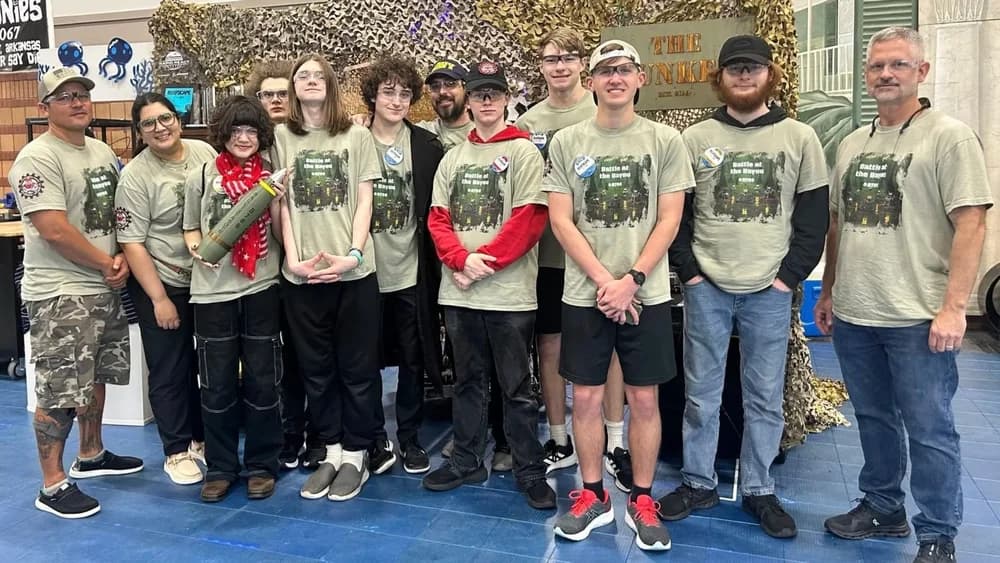
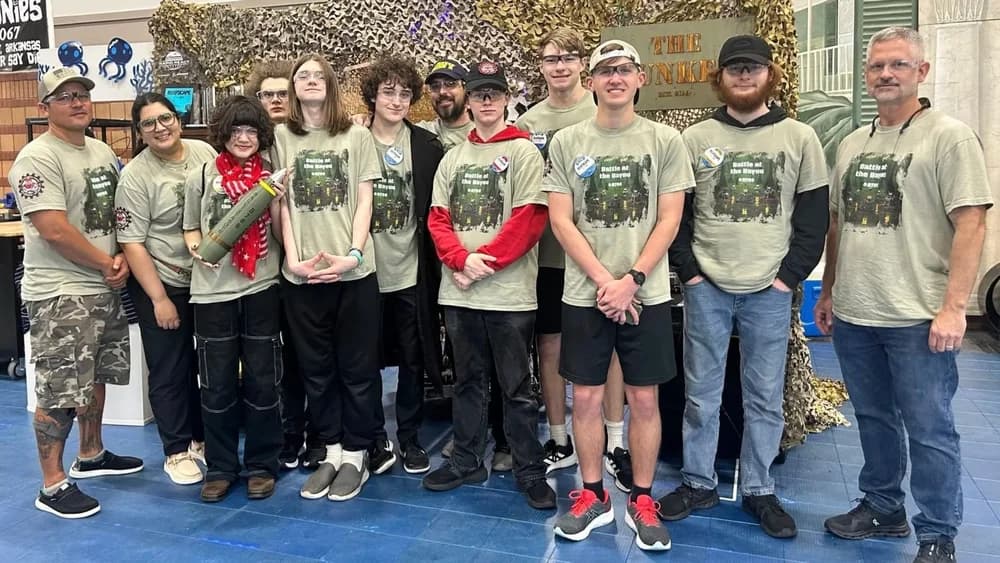
C.R.A.S.H. — Crestview Robotics and STEM Hub — is a 501(c)(3) nonprofit in Crestview, Florida, dedicated to inspiring students through hands-on STEM education. Located in Florida's Panhandle near Eglin Air Force Base, C.R.A.S.H. serves a community where access to advanced STEM programs is limited.
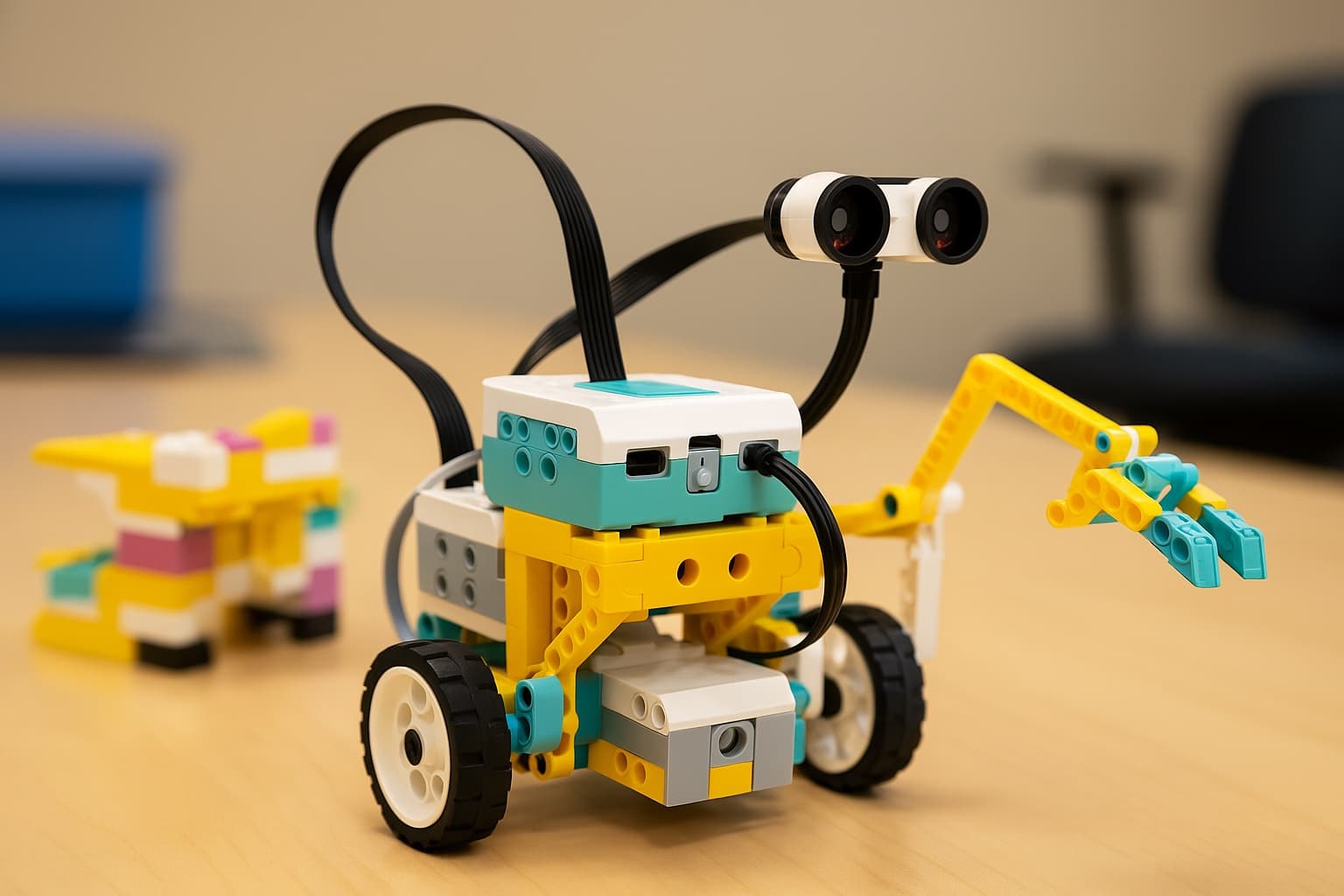
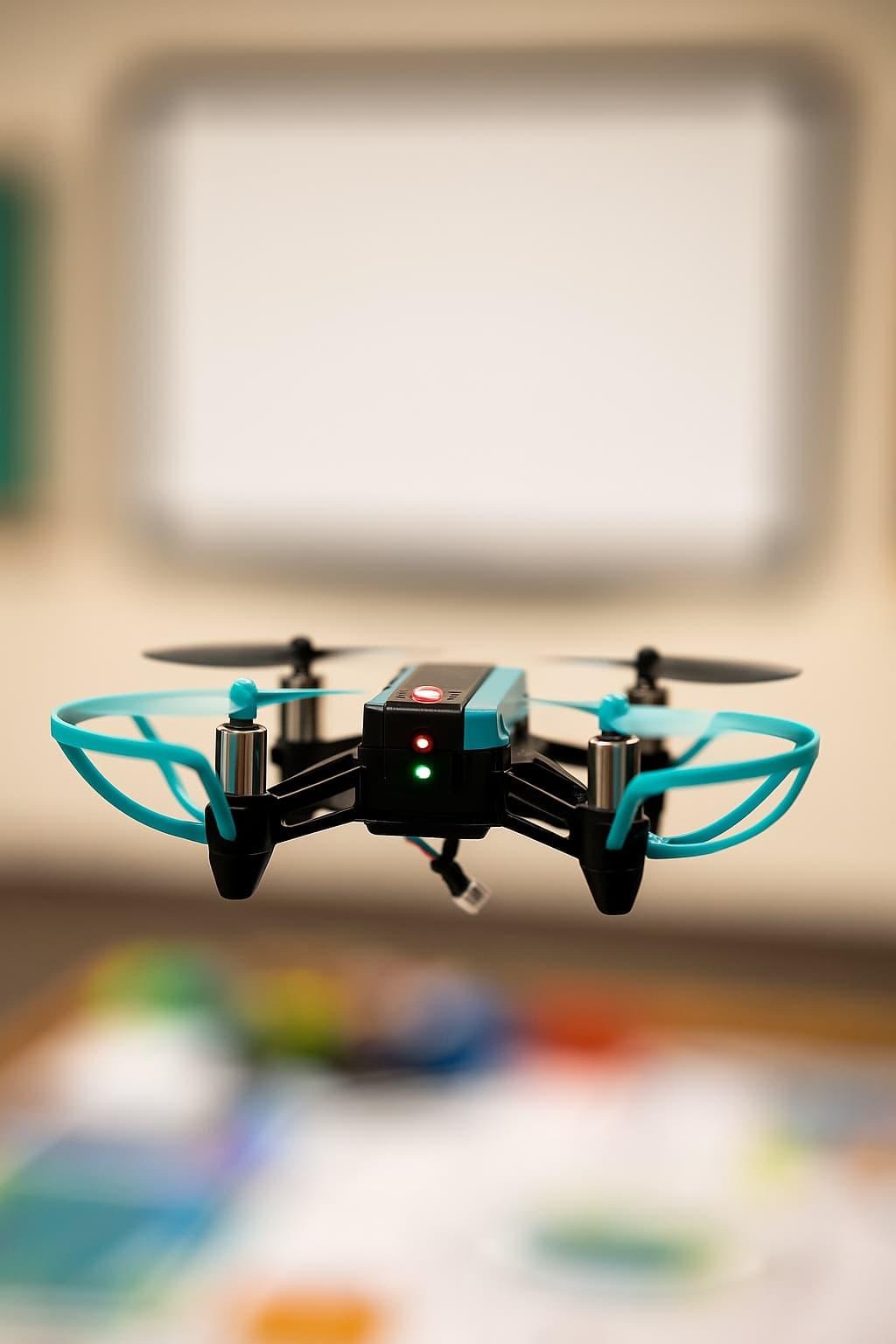
The organisation runs three competitive robotics teams through the FIRST program — from the classroom-scale FIRST Tech Challenge to the full-scale FIRST Robotics Competition — plus five clubs covering LEGO engineering, drone coding, CAD and 3D printing, Arduino electronics, and cybersecurity. Programs serve students from age 6 through 18.
Their facility at 100 N Lloyd Street houses 3D printers, professional-grade design software, and workshop equipment. Through mentor-based activities, students engage in real-world projects that build STEM skills, creative thinking, and leadership — skills that translate directly to engineering careers and college readiness.
The challenge
Running a STEM nonprofit with multiple programs means managing complexity that most volunteer organisations never face. C.R.A.S.H. has three robotics competition teams, five clubs, and students ranging from 6-year-olds building with LEGO to 18-year-olds programming industrial-scale robots. Each program has its own schedule, its own fee structure, and its own registration requirements.
Competition team memberships are particularly complex — they bundle FIRST registration fees, team shirts and supplies, food and drinks during competitions, lodging for multi-day events, and access to the facility's 3D printers, tools, and professional software. That's not a simple annual fee. That's an all-inclusive package that needs to be tracked per student, per team, per season.
On top of that, C.R.A.S.H. runs a scholarship programme through local business partnerships — price-matching and full scholarships so no student is turned away for financial reasons. Managing which students are on scholarships, which businesses are sponsoring them, and which fees have been covered adds another layer.
Before consolidating on a single platform, registration was scattered across Google Forms, email threads, and manual tracking. When you're a volunteer-run nonprofit preparing for a FIRST competition, the last thing you need is uncertainty about who's registered, who's paid, and who still needs a permission form.
“Don't just keep them busy — ignite their passion for technology, problem-solving, and innovation.”
How TidyHQ helped
TidyHQ gives C.R.A.S.H. one platform to manage what was previously spread across Google Forms, email, and manual spreadsheets. Membership tiers are set up per programme — club memberships at $60/month, competition team packages with all-inclusive pricing — with automated billing and renewal tracking.
The member database shows exactly who's enrolled in which programme, who's financial, and who's on a scholarship. When competition season arrives and the team needs to know who's registered, paid, and cleared to compete, the answer is one click away instead of scattered across five different tools.
Communications go directly to the right group — drone club parents get drone club updates, FRC team families get competition logistics. No more blasting every family with everything and hoping the right people read it.
For a 501(c)(3) that needs clean financial records for donor reporting and tax compliance, having all membership revenue tracked in one system — with scholarship adjustments clearly documented — makes year-end reporting straightforward instead of a multi-day reconciliation exercise.
The STEM pipeline
A student can enter at age 6 with LEGO Discovery and progress through to full-scale FIRST Robotics Competition by 18.
AI and Coding
Students build intelligent systems, create algorithms, and solve real-world problems through hands-on coding projects.
Robotics
Three competition teams (FRC and FTC) design, build, and program robots for FIRST competitions — from LEGO builds to full-scale industrial robots.
Cybersecurity
Students learn to defend networks, secure systems, and tackle real cyber threats — skills in demand across every industry.
CAD and 3D Printing
Industry-standard design software and 3D printers turn digital concepts into physical objects — prototyping skills that transfer directly to engineering careers.
Competition teams
Special Forces Ballistabots #8788
FIRST Robotics Competition (FRC)
The flagship team — precision engineering, strategic gameplay, and full-scale industrial robots. FRC is the most advanced FIRST program, preparing students for engineering at a collegiate level.
Zero Logic
FIRST Tech Challenge (FTC)
Students aged 12–18 work with mentors to design and program classroom-scale robots. Autonomous commands first, then student drivers take control in two-on-two matches.
Short Circuits #22218
FIRST Tech Challenge (FTC)
A second FTC team giving more students the chance to compete — because one team slot is never enough when demand for STEM education outpaces supply.
The results
C.R.A.S.H. now manages all membership and registration through a single platform. Competition team rosters, club enrolments, scholarship tracking, and parent communications all live in one place — replacing the patchwork of Google Forms and email threads that preceded it.
Students aged 6 through 18 have a clear pathway from LEGO Discovery through to FIRST Robotics Competition, with each programme's membership managed consistently. The scholarship programme — funded by local business partnerships — ensures no student is excluded for financial reasons, and TidyHQ tracks every adjustment.
For a volunteer-run nonprofit in a community where STEM opportunities are scarce, the admin reduction matters. Every hour not spent reconciling spreadsheets is an hour mentoring a student, preparing for a competition, or building the next club. C.R.A.S.H.'s mission is to change the world through STEM education — TidyHQ makes sure the admin doesn't get in the way.
8
Programmes managed in one platform
6–18
Full age range from LEGO to FRC
1
System replacing Google Forms, email, and spreadsheets
TidyHQ features used
Running a nonprofit shouldn't feel like a second job.
TidyHQ gives education nonprofits, youth programmes, and community organisations the tools to manage memberships, track payments, and communicate with families — so volunteers can focus on impact, not admin.